分类
Padel Court News

Padel Single Court vs Double Court: Which Should You Build? A Guide for Investors

When planning a new padel facility, one of the most critical decisions investors face is choosing between a Standard Double Court and a Single Court. While the game is traditionally played in doubles, the rising demand for 1-on-1 coaching and space-saving solutions has made single courts increasingly popular.

But which option makes the most business sense for your specific project?

As a professional manufacturer of padel courts and roof systems, we have helped countless club owners, hotel operators, and private buyers make this exact decision. In this comprehensive guide, we will break down the differences in target audience, exact dimensions, hidden costs, and logistical considerations to help you maximize your Return on Investment (ROI).

1. Target Audience: Who Are You Building For?

The first step is identifying your core customer base. Single and double courts serve completely different market demands.

The Standard Double Court

This is the official FIP-standard court designed for 4 players (2 vs 2).

  • Best For: Commercial sports clubs, municipal parks, and large sports complexes.
  • The Business Case: Padel is inherently a highly social sport. A standard court maximizes player throughput (4 players per hour), generating higher booking revenues and driving more foot traffic to your club’s bar, restaurant, or pro shop.

The Single Padel Court (1 vs 1)

Designed strictly for two players, this narrower court changes the dynamics of the game.

  • Best For: Private luxury villas, boutique hotels, corporate campuses, and urban centers where real estate is extremely expensive.
  • The Business Case: It is the perfect solution for padel academies focusing on intensive 1-on-1 coaching. Because the court is narrower, players cannot rely on wide cross-court angles; the game becomes much faster, focusing heavily on volleys, reflexes, and high-intensity cardio.

2. Dimensions & Space Requirements

Land is often the biggest expense in venue development. Understanding the exact footprint is crucial.

FeatureStandard Double CourtSingle Court
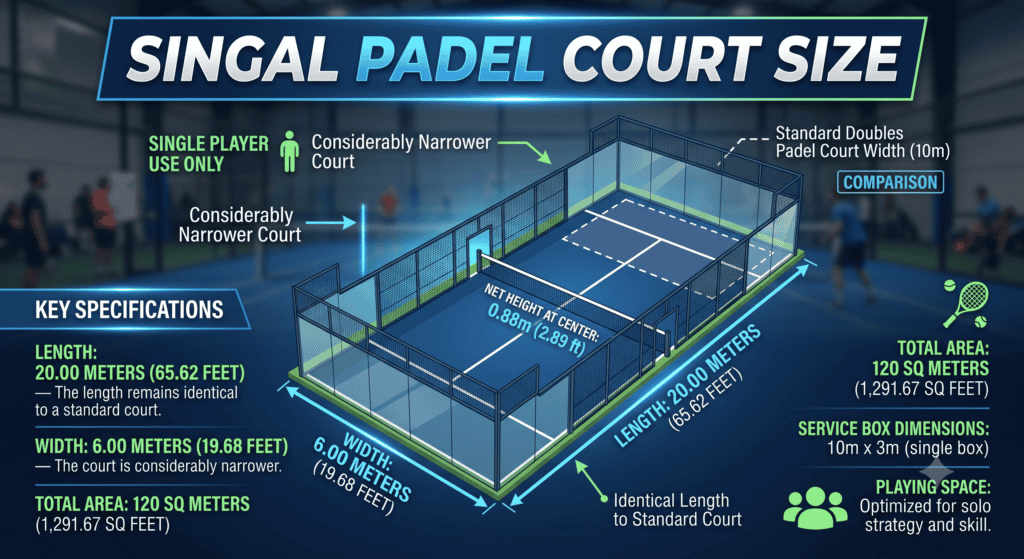
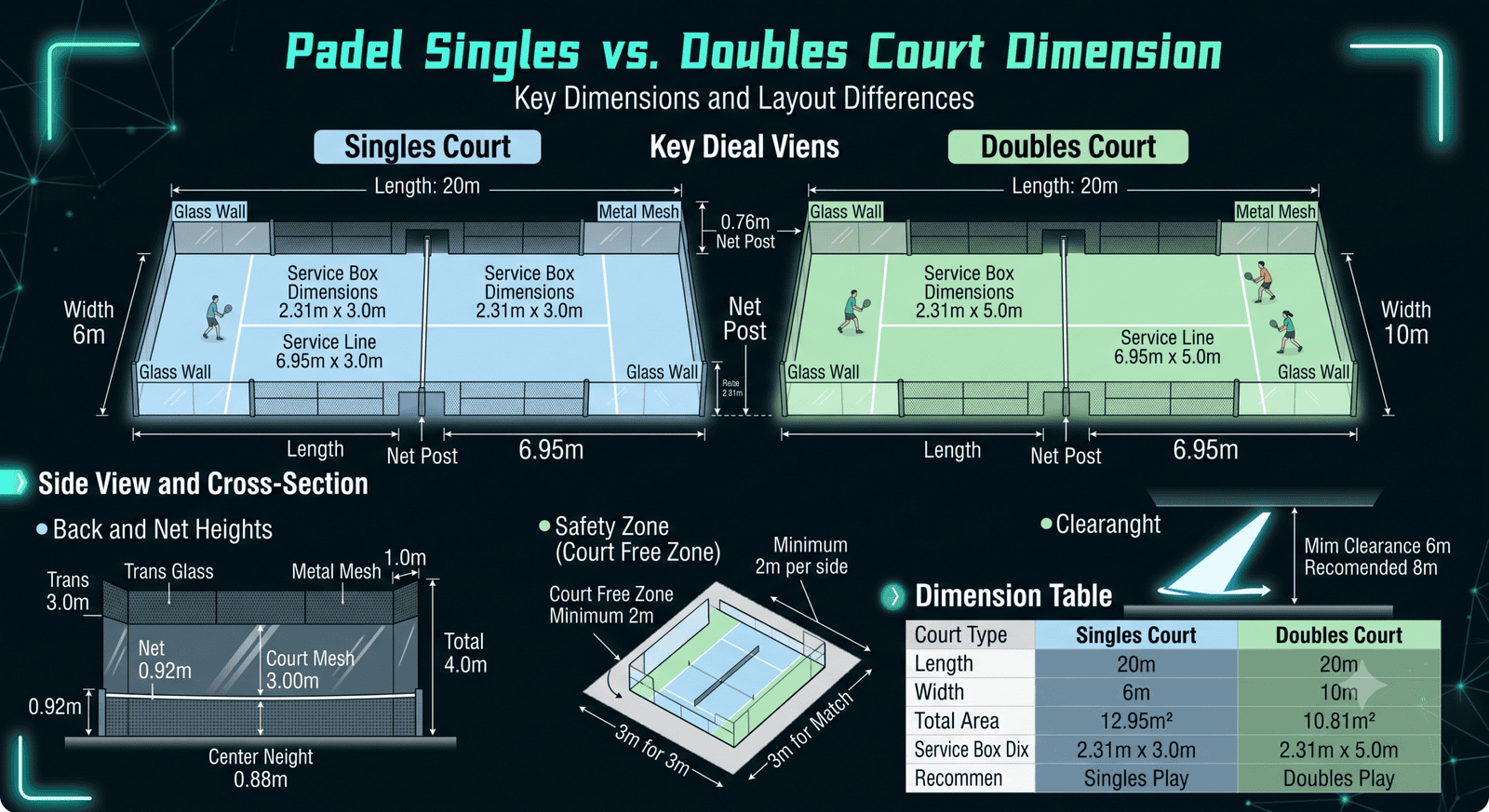
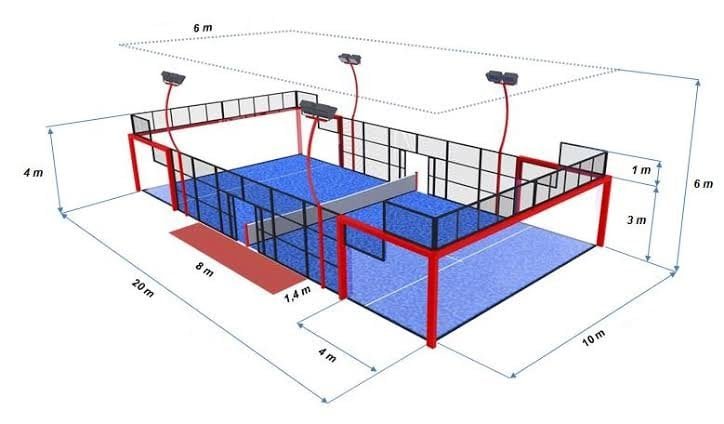
Internal Play Area20m x 10m20m x 6m
Total Area (Internal)200 sq meters (2,152 sq ft)120 sq meters (1,291 sq ft)
Recommended Land Size~230 – 250 sq meters~140 – 160 sq meters
Gameplay Format2 vs 21 vs 1

Manufacturer’s Pro Tip: Never calculate your land requirement based only on the internal play area. You must leave at least 1.5 to 2 meters of clearance around the exterior perimeter for structural pillars, lighting poles, and player walkways.

3. The Hidden Cost Trap: Is a Single Court 40% Cheaper?

Here is a common misconception among first-time investors: “A single court is 40% smaller in area (120 sqm vs 200 sqm), so it should cost 40% less to buy and build.”

This is entirely false.

While the width is reduced by 4 meters, the length remains exactly 20 meters. This means you still need the exact same amount of side glass panels, side steel pillars, and lighting structures as a standard court.

The only materials you save on are:

  • 4 meters of back glass and steel mesh per side.
  • 80 square meters of artificial turf.
  • Shorter horizontal steel beams at the baseline.

The Reality: The manufacturing and material cost of a single court is typically around 75% to 80% of a standard double court. Therefore, if you have enough land, building a standard double court always yields a superior ROI due to its higher booking capacity and relatively lower cost-per-square-meter.

4. International Logistics & Container Loading

When importing padel courts directly from a manufacturer, freight optimization is a major part of your total landed cost.

Because standard and single courts require different volumes of steel and glass, they pack differently into standard 40ft High Cube (HQ) containers. As experienced exporters shipping globally from major hubs like Tianjin Port, our logistics team utilizes custom A-frame steel racks to pack courts densely and safely. If you are ordering multiple courts, mixing single and double courts in one container can sometimes optimize the dead space, significantly lowering your average shipping cost per court.
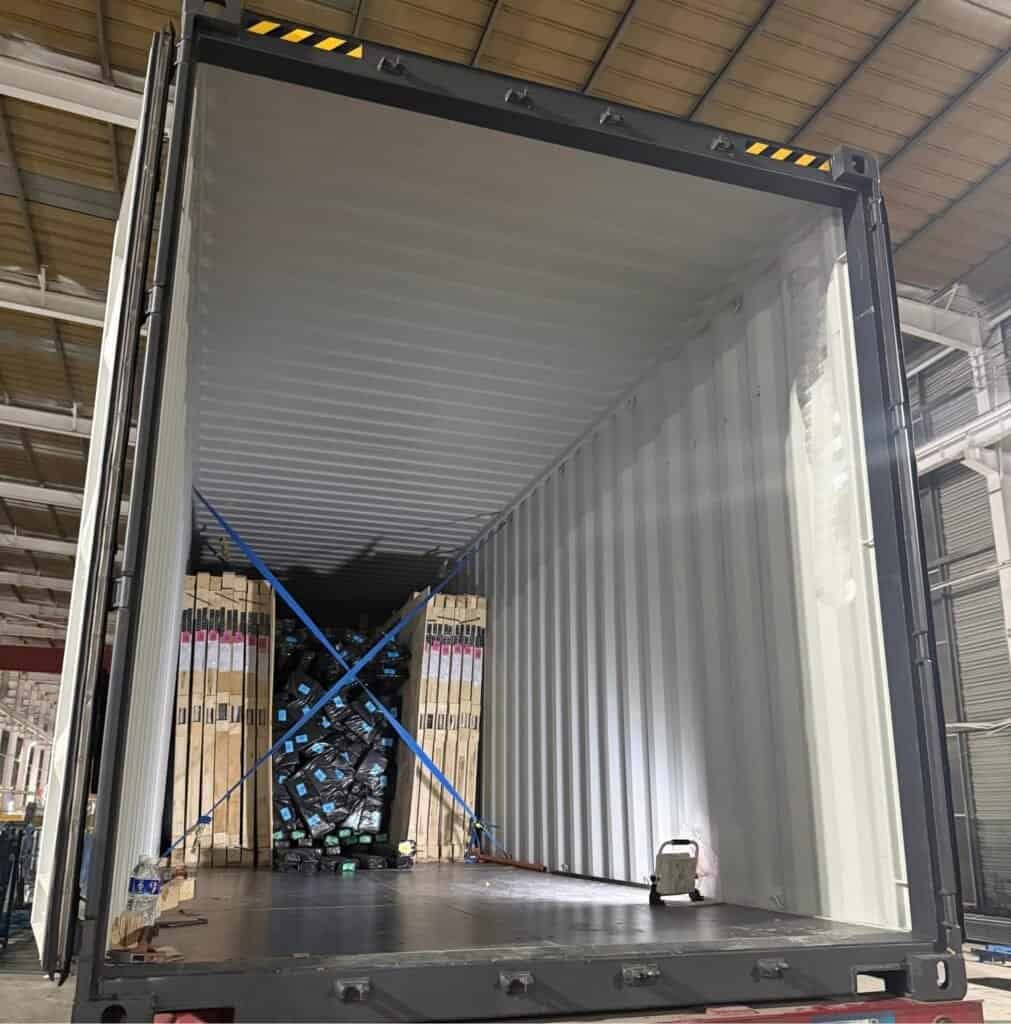
padel court loading in the car

5. Roof Systems: Engineering for Different Spans

If you are building an outdoor court, protecting it from rain and extreme sun is essential for continuous revenue. This is where the structural differences between single and double courts become an advantage.

  • Standard Courts (10m width): Require a robust, high-arch prefabricated roof system to safely clear the 10-meter span while maintaining the FIP-mandated 8-meter vertical play height.
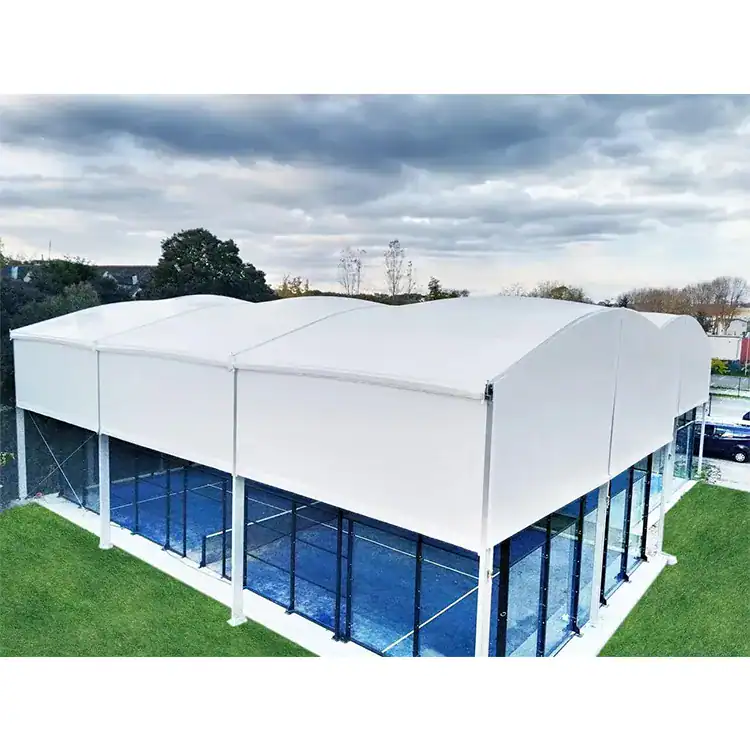
  • Single Courts (6m width): Because the span is much shorter, the engineering requirements for the roof trusses are simpler. Installing a canopy over a single court is highly cost-effective, making it a brilliant upgrade for private villa owners who want a weather-proof playing experience year-round.

Final Verdict

If your goal is commercial profitability and you have the land, the Standard Double Court is always the undisputed king. However, if you are an elite coach, a luxury hotelier, or an investor with an odd-shaped, narrow plot of land, the Single Court offers a premium, high-intensity padel experience that fits perfectly into tight spaces.
分类
Padel Court News

What Glass is Used for Padel Courts? The Ultimate Buyer’s Guide for Investors and Builders

When constructing a world-class padel club, the glass walls are arguably the most critical structural and functional component. They are not just architectural boundaries; they are an active part of the game. The glass must withstand the relentless impact of players crashing into it, endure extreme outdoor weather, and provide flawless visibility for spectators and players alike.

For facility investors and construction contractors, choosing the wrong glass can lead to disastrous safety hazards and skyrocketing replacement costs. So, exactly what glass is used for padel courts? In this definitive manufacturer’s guide, we break down the dimensions, thickness, safety certifications, and engineering secrets you must know before placing your order.

1. Strength and Thickness: 10mm vs. 12mm Tempered Glass

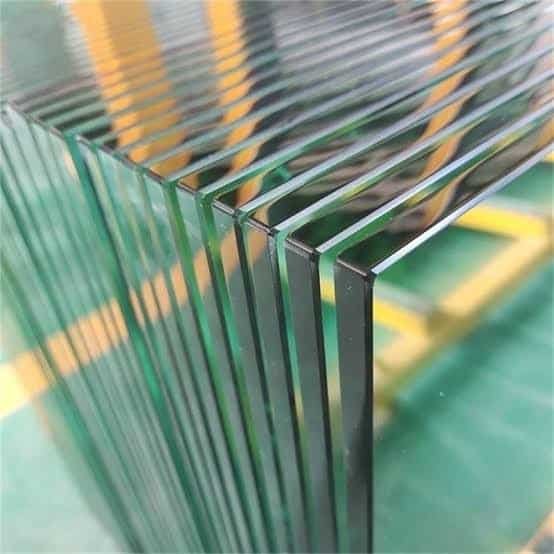
Padel courts exclusively use tempered glass (also known as toughened glass). Through a process of extreme heating and rapid cooling, tempered glass is up to five times stronger than standard float glass.

When ordering, you will typically choose between two thickness standards:

  • 10mm Tempered Glass: The standard choice for classic club courts and indoor facilities. It provides excellent bounce and sufficient strength for everyday recreational play.
  • 12mm Tempered Glass: The premium standard, often required for professional panoramic courts (where there are no vertical metal pillars between the glass panels) and outdoor courts exposed to high wind loads. It offers maximum structural rigidity and an elite playing experience.

2. Standard Dimensions and Clarity

Precision is everything in court assembly. The standard FIP (International Padel Federation) court uses large-format glass panels.

  • Standard Size: A typical panel measures exactly 2 meters by 3 meters (2000mm x 3000mm). A full standard court requires 14 panels of this size, plus 4 smaller panels (2m x 2m) for the corners.
  • Brightness and Clarity: To ensure maximum light transmission under night floodlights, high-quality padel glass features a highly polished surface. For premium venues, ultra-clear (low-iron) tempered glass is often utilized. This removes the natural green tint found in standard glass, offering crystal-clear visibility for broadcasting and an ultra-modern aesthetic.
padel court size

3. The Safety Factor: CE Certification and Shatter Mechanisms

Safety is the absolute priority. All padel glass must hold international certifications, most notably the CE Mark (EN 12150 standard) in Europe, verifying its impact resistance.

But what happens if a player runs into the glass too hard, or an accident occurs? This is where the unique shatter mechanism of tempered glass saves lives. Unlike normal glass that breaks into lethal, jagged shards, certified padel glass is engineered to shatter into thousands of small, blunt, pebble-like pieces. This “honeycomb” breaking pattern ensures that even in the rare event of a breakage, players are protected from severe lacerations.

4. Precision Engineering: CNC Drilling and Hardware Connections

One of the strict physical rules of tempered glass is that it cannot be cut or drilled after it has been tempered. If you try to drill a hole in a finished tempered panel, the entire sheet will instantly explode.

Therefore, flawless manufacturing is essential. High-end manufacturers use state-of-the-art CNC (Computer Numerical Control) machines to cut, polish the edges, and drill countersunk holes with millimeter-perfect tolerance before the glass enters the tempering furnace.

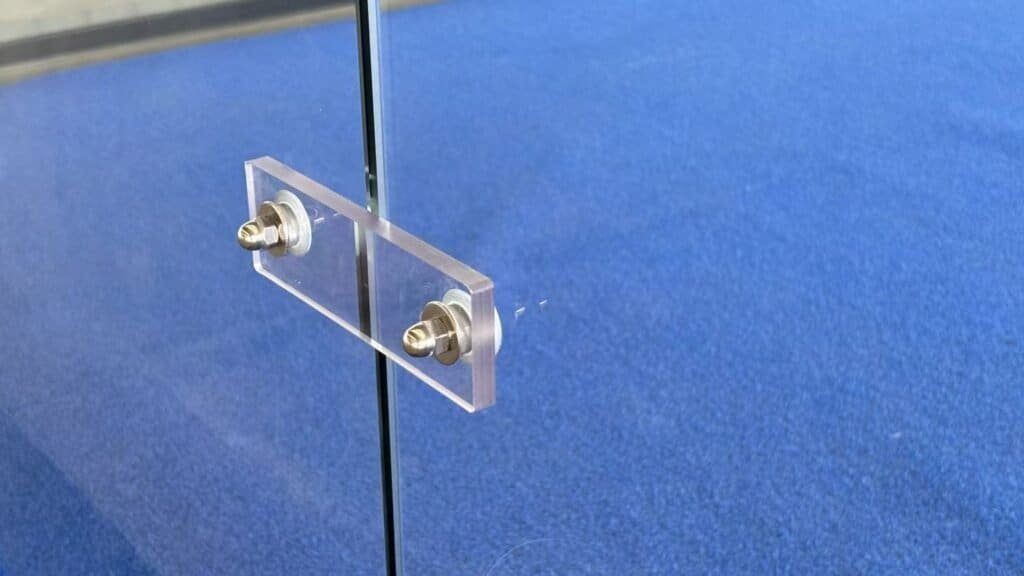
How is the glass connected? The panels are anchored to the steel court structure using heavy-duty stainless steel fasteners. To prevent the glass from grinding directly against the hard metal (which would cause stress fractures), specialized neoprene or rubber gaskets are placed between the glass and the steel brackets, absorbing shock and vibration during gameplay.

padel court glass connected way

5. Outdoor Threats: Wind Loads, Thermal Stress, and Roof Solutions

For outdoor courts, the glass faces invisible enemies: Thermal stress (rapid temperature changes between hot sun and cold rain) and extreme Wind Loads. A large, flat 2x3m glass panel acts like a sail, catching massive wind pressure.

While 12mm glass helps withstand these forces, the ultimate protective solution is to shelter the entire court. By installing a prefabricated padel court roof system, you shield the glass panels from direct thermal shock and significantly alter the wind flow around the court. A canopy structure not only protects the glass but guarantees your courts remain operational in any weather condition.

6. Export Packaging and International Logistics

For international buyers, the biggest fear is receiving shattered glass after a long sea voyage. How does a manufacturer guarantee safe delivery?

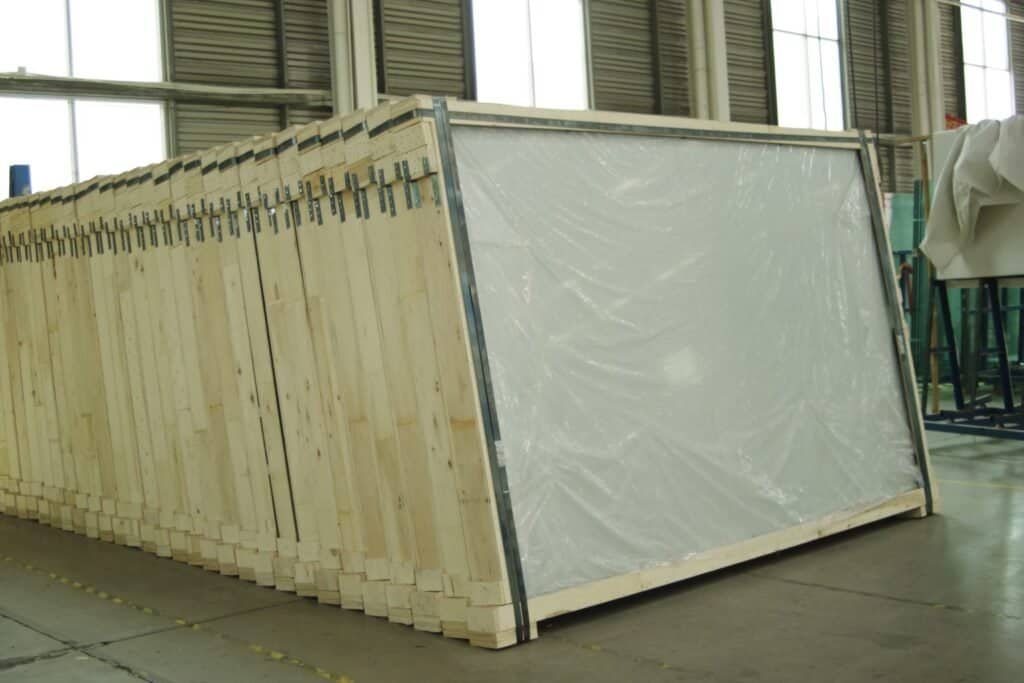
Professional export packaging is non-negotiable. When dispatching bulk orders directly from major shipping hubs like Tianjin Port, the glass panels are secured onto custom-built A-frame steel racks or enclosed in heavy-duty, fumigation-free wooden crates. Sheets of protective foam, cork pads, and strapping are placed between every single panel to prevent friction and absorb the harsh vibrations of ocean freight, ensuring a 0% damage rate upon arrival.

A-frame steel racks portect glass

7. Keeping Your Glass Perfect: Long-Term Maintenance

Once your pristine tempered glass is safely installed, protecting that investment requires a strict maintenance routine. Sweat, dirt, and hard water spots can quickly ruin the bounce of the ball and the look of your club.

Make sure your facility management team is using the right tools and avoiding harsh chemicals that can destroy your artificial turf. For a complete step-by-step breakdown on maintaining your investment, check out our comprehensive guide on how to clean padel court glass safely and efficiently.

分类
Padel Court News

The Ultimate Guide to Cleaning Padel Court Glass: Maintenance, Safety, and Cost-Saving Strategies

For padel club owners and facility managers, the glass walls of a padel court are more than just a structural boundary—they are an active part of the game. Clear, well-maintained glass ensures fair play, perfect ball rebounds, and a premium experience that keeps players coming back.

However, keeping those massive tempered glass panels pristine is one of the most common operational challenges. In this comprehensive guide, we will break down exactly how padel glass gets dirty, the best practices for cleaning it, crucial mistakes to avoid, and the structural upgrades you can make to slash your maintenance costs permanently.

1. The Culprits: How Does Padel Glass Get So Dirty?

Understanding what you are cleaning is the first step to an efficient maintenance routine. Padel court glass suffers from two main types of contamination:

  • Player-Induced Stains: The most common marks are sweat splashes, handprints, and body oils left behind when players crash against the walls. Additionally, the constant impact of the tennis balls leaves behind microscopic fuzz and rubber residue.
  • Environmental Pollution (For Outdoor Courts): Uncovered outdoor courts face a daily barrage of bird droppings, dust, pollen, tree sap, and acid rain. Over time, hard water from rain or nearby sprinklers can bake onto the glass, forming stubborn calcium and mineral deposits (water spots).

2. The Hidden Impact of Dirty Glass

Ignoring glass maintenance does more than just hurt the aesthetic appeal of your sports club. It directly impacts your bottom line:

  • Compromised Playability: Sweat and grease spots alter the friction of the glass. When a ball hits a greasy patch, it slides instead of bouncing predictably, ruining the rally and frustrating players.
  • Poor Visibility: Smudged glass makes it harder for players to track the ball under floodlights, increasing the risk of misjudgments and eye strain.
  • Brand Perception: High-end clients expect premium facilities. Dirty, cloudy glass instantly cheapens the look of your club, making it harder to justify premium booking rates.
padel court glass

3. The Professional Toolkit

To clean tempered glass efficiently without damaging the court ecosystem, your maintenance team needs the right tools:

  • Professional Squeegee (Rubber Edge): A wide window-cleaning squeegee (30-40 cm) with a high-quality rubber blade.
  • Microfiber Applicator/Mop: To apply the soapy solution evenly across large surfaces.
  • Mild Neutral Detergent: A simple mix of water and pH-neutral dish soap is highly effective for breaking down body oils.
  • Clean Microfiber Cloths: For detailing edges and wiping away excess water.
  • Soft Nylon Brush: Strictly for bird droppings or hardened sap (never use metal).

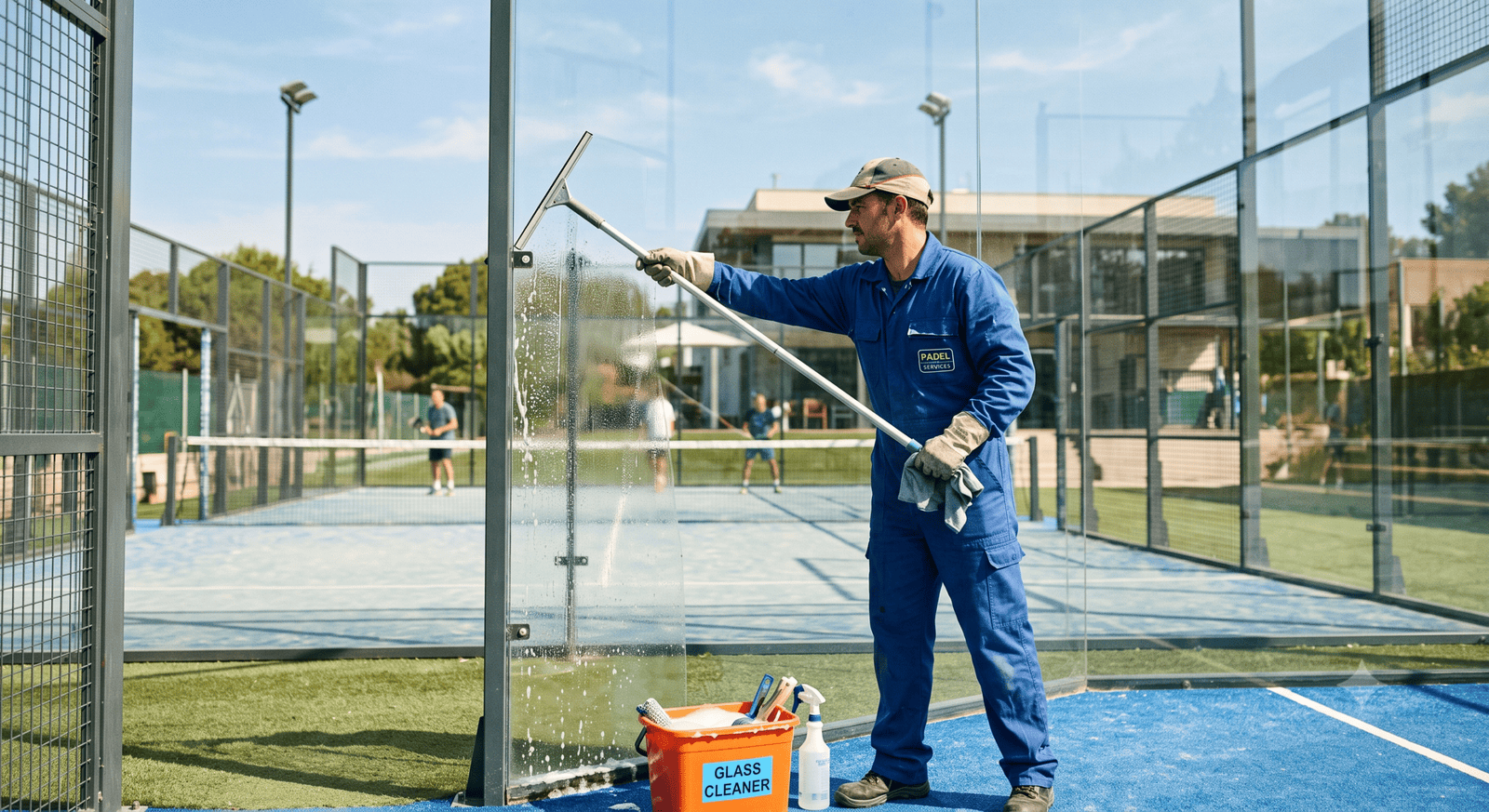
4. The Step-by-Step Cleaning Method

Step 1: The Dry Brush (Optional) If there is heavy dust or sand on the glass, lightly brush it off dry. Scrubbing wet sand can cause micro-scratches on the tempered glass.

Step 2: Apply the Solution Using the microfiber mop, generously apply the water and neutral detergent mix. Allow it to sit for 1-2 minutes to break down the sweat and ball residue.

Step 3: The Squeegee Technique Start from the top corner of the glass panel. Pull the squeegee down in a straight, steady motion, or use the professional “S-technique” to continuously pull the water down without lifting the blade. Wipe the rubber blade with a dry towel after every pass.

Step 4: Edge Detailing Use a dry microfiber cloth to wipe the perimeter of the glass where it meets the steel mesh and the bottom channel.

5. Crucial Mistakes to Avoid (The Pitfalls)

As manufacturers, we have seen countless courts damaged by improper cleaning methods. Ensure your staff avoids these costly errors:

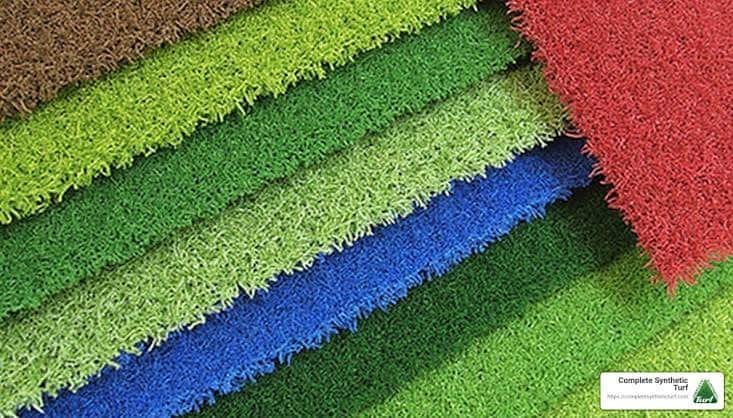
  • Protect the Artificial Turf: Never use harsh chemicals, bleach, or acidic glass cleaners. If these chemicals drip onto the artificial turf, they can degrade the synthetic fibers and cause the silica sand infill to clump, ruining the court’s drainage and grip.
  • Avoid Abrasives: Never use scouring pads, steel wool, or abrasive sponges. Even tempered glass can suffer from micro-scratches, which will catch the glare of the floodlights and blind players during night games.
padel court turf

6. Beyond the Glass: Hardware & Seal Inspection

Cleaning the glass presents the perfect opportunity for essential safety maintenance. While your staff is up close with the panels, they should perform a quick hardware check:

  • Inspect the Fasteners: Check the screws and anchor bolts connecting the glass to the steel pillars. The constant impact of players and balls can cause them to loosen.
  • Check the Neoprene Pads: Ensure the rubber or neoprene gaskets between the glass and the metal frame are intact. If they degrade, the glass will rub directly against the steel, creating uneven stress that can lead to explosive glass shattering.

7. Combating Condensation and Fogging

A major pain point for clubs in humid or cold climates is glass condensation. When the warm, humid air hits the cold glass surface, fog forms, completely blinding players.

  • Quick Fix: Use a dry rubber squeegee to clear the moisture between matches. Some clubs also apply professional anti-fog coatings (similar to scuba diving gear) at the start of the winter season.
  • Ventilation: For indoor clubs, ensuring proper HVAC airflow across the glass surface is critical to keeping the dew point balanced.

8. The Ultimate Solution: Prefabricated Padel Roof Systems

Padel Court Roof System.

While having a strict cleaning schedule is mandatory, outdoor courts are inherently expensive to maintain. If you want to cut your glass cleaning frequency by over 50% and eliminate environmental pollution, the ultimate structural upgrade is installing a Prefabricated Padel Court Roof System.

As a dedicated manufacturer of structural roof systems for padel, we engineer our canopies to solve these exact operational headaches:

  • Weather Shielding: A high-arch roof completely blocks acid rain, bird droppings, and UV-baked dust, meaning your glass stays pristine for weeks instead of days.
  • Moisture Control: A well-designed roof limits the direct exposure of the glass to extreme night-time temperature drops, significantly reducing the morning condensation and fogging issues.
  • Maximized ROI: By protecting the court—and the glass—from the elements, your maintenance labor costs plummet, and your court remains playable (and bookable) 365 days a year, rain or shine.

Maintaining padel court glass doesn’t have to be a daily nightmare. By equipping your staff with the right tools, avoiding turf-damaging chemicals, and investing in a protective roof infrastructure, you can deliver a world-class playing experience while keeping your operational costs firmly under control.

分类
Padel Court News

What’s the Size of a Padel Court? The Ultimate Dimension Guide for Venue Investors

Whether you are designing a brand-new sports club or upgrading an existing facility, one of the first questions you will face is: how big is a padel court?

Because padel combines elements of tennis and squash, the playing area must strictly adhere to International Padel Federation (FIP) standards to ensure fair play, optimal ball rebound from the glass walls, and player safety.

In this comprehensive guide, we will break down everything you need to know about standard and single padel court dimensions, exact measurements in both meters and feet, and the crucial height requirements you must consider before installing a roof structure.

What is the Size of a Padel Court in Meters (and Feet)?

When planning your land usage, understanding the exact footprint is critical. The dimensions depend heavily on whether you are building a traditional doubles court or a specialized singles court.

1. The Standard Padel Court

The vast majority of official matches and club games are played in doubles on a standard court.

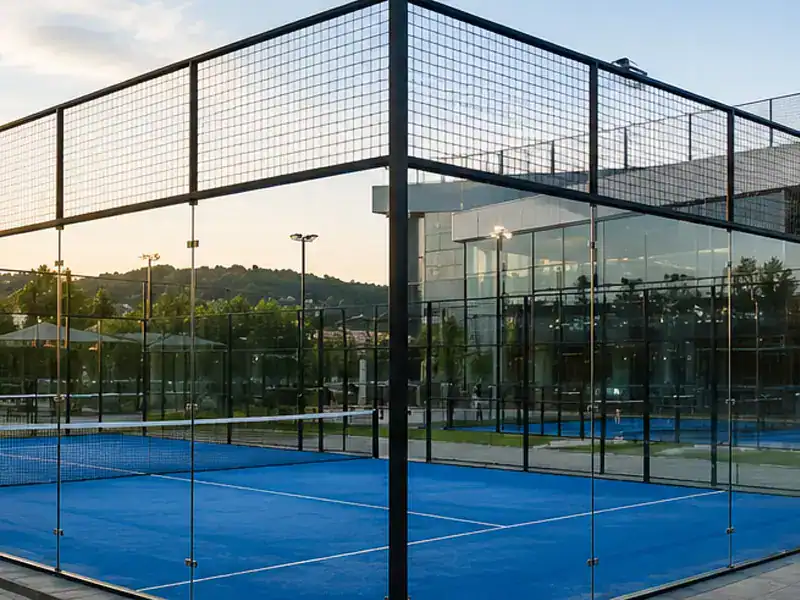
  • How long is a padel court? The interior length of a standard court is exactly 20 meters (65.62 feet).
  • How wide is a padel court? The interior width is exactly 10 meters (32.81 feet).
MeasurementMeters (m)Feet (ft)
Length20 m65.62 ft
Width10 m32.81 ft
Net Height (Center)0.88 m2.89 ft
Net Height (Ends)0.92 m3.02 ft
padel court size
Standard Padel Court size

2. The Single Padel Court

If you have a narrower strip of land or want to cater to one-on-one training sessions, a single padel court is an excellent architectural solution.

  • Length: 20 meters (65.62 feet) — The length remains identical to a standard court.
  • Width: 6 meters (19.68 feet) — The court is considerably narrower.

How Big is a Padel Court in Square Feet?

Real estate developers and facility managers often need to calculate land usage based on total area. If you are wondering how large is a padel court in terms of absolute footprint:

  • Standard Court Area: 200 square meters, which translates to 2,152.8 square feet.
  • Single Court Area: 120 square meters, which translates to 1,291.7 square feet.

Manufacturer’s Pro Tip: When calculating the total space required, do not just look at the internal play area. You must leave an additional 1.5 to 2 meters (approx. 5 to 6.5 feet) of safety and walkway space around the exterior of the glass walls for player access, lighting poles, and structural foundations.

To help you visualize the spatial requirements for your venue, use our interactive tool below:

How High Does a Padel Court Need to Be?

The vertical dimension is frequently overlooked by new investors, but in padel, the strategic “lob” shot is a fundamental part of the game. So, how high does a padel court need to be?

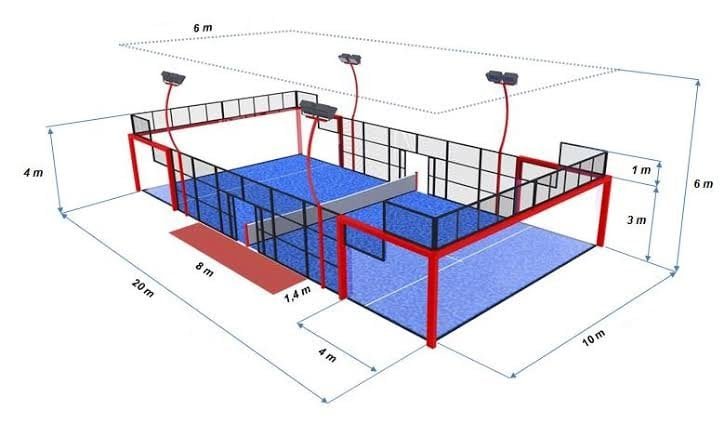
According to FIP regulations, there must be a completely unobstructed vertical space above the playing area.

  • Minimum Requirement: 6 meters (19.68 feet) of free height.
  • Professional/Recommended Standard: 8 meters (26.25 feet) or higher.

If a venue’s ceiling or light fixtures drop below 6 meters, the court cannot be used for official competitions.

Padel Court Dimension Visualizer

20 m
10 m
Total Court Area: 200 sq m

The Impact on Padel Court Roof Systems

For outdoor venues, weather is the biggest threat to ROI. Rain or extreme sun can cause facility downtime, which means lost revenue. This is where engineered Padel Court Roof Systems come into play.

As a dedicated manufacturer of modular structural roofs, we engineer our canopies specifically around these FIP height constraints. When evaluating a roof or canopy solution, you must ensure that the internal truss structure does not encroach on that 8-meter optimal playing height. Our prefabricated steel and structural membrane systems are designed with high-arch clearances, ensuring that your players can execute a perfect lob without hitting the canopy, while keeping the court 100% waterproof and shaded all year round.

Are you planning a multi-court facility and need technical drawings for the structural foundations or roof systems? Get in touch with our engineering team today to review your venue’s specific dimensional requirements.