
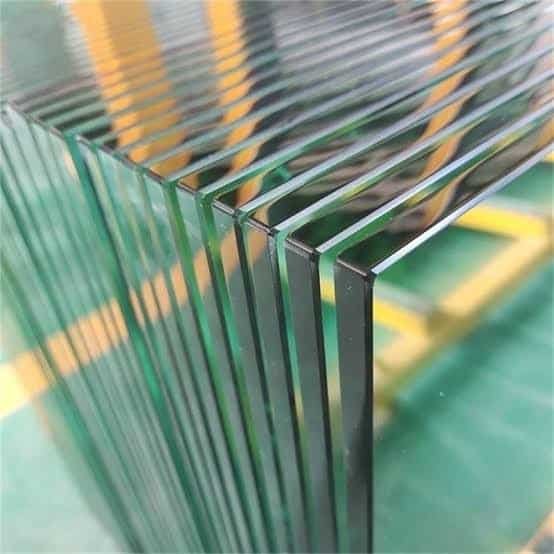
When constructing a world-class padel club, the glass walls are arguably the most critical structural and functional component. They are not just architectural boundaries; they are an active part of the game. The glass must withstand the relentless impact of players crashing into it, endure extreme outdoor weather, and provide flawless visibility for spectators and players alike.
For facility investors and construction contractors, choosing the wrong glass can lead to disastrous safety hazards and skyrocketing replacement costs. So, exactly what glass is used for padel courts? In this definitive manufacturer’s guide, we break down the dimensions, thickness, safety certifications, and engineering secrets you must know before placing your order.
1. Strength and Thickness: 10mm vs. 12mm Tempered Glass
Padel courts exclusively use tempered glass (also known as toughened glass). Through a process of extreme heating and rapid cooling, tempered glass is up to five times stronger than standard float glass.
When ordering, you will typically choose between two thickness standards:
- 10mm Tempered Glass: The standard choice for classic club courts and indoor facilities. It provides excellent bounce and sufficient strength for everyday recreational play.
- 12mm Tempered Glass: The premium standard, often required for professional panoramic courts (where there are no vertical metal pillars between the glass panels) and outdoor courts exposed to high wind loads. It offers maximum structural rigidity and an elite playing experience.
2. Standard Dimensions and Clarity
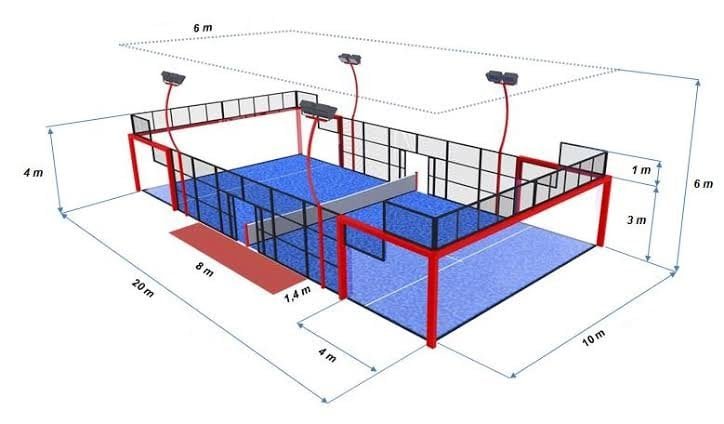
Precision is everything in court assembly. The standard FIP (International Padel Federation) court uses large-format glass panels.
- Standard Size: A typical panel measures exactly 2 meters by 3 meters (2000mm x 3000mm). A full standard court requires 14 panels of this size, plus 4 smaller panels (2m x 2m) for the corners.
- Brightness and Clarity: To ensure maximum light transmission under night floodlights, high-quality padel glass features a highly polished surface. For premium venues, ultra-clear (low-iron) tempered glass is often utilized. This removes the natural green tint found in standard glass, offering crystal-clear visibility for broadcasting and an ultra-modern aesthetic.
3. The Safety Factor: CE Certification and Shatter Mechanisms
Safety is the absolute priority. All padel glass must hold international certifications, most notably the CE Mark (EN 12150 standard) in Europe, verifying its impact resistance.
But what happens if a player runs into the glass too hard, or an accident occurs? This is where the unique shatter mechanism of tempered glass saves lives. Unlike normal glass that breaks into lethal, jagged shards, certified padel glass is engineered to shatter into thousands of small, blunt, pebble-like pieces. This “honeycomb” breaking pattern ensures that even in the rare event of a breakage, players are protected from severe lacerations.
4. Precision Engineering: CNC Drilling and Hardware Connections
One of the strict physical rules of tempered glass is that it cannot be cut or drilled after it has been tempered. If you try to drill a hole in a finished tempered panel, the entire sheet will instantly explode.
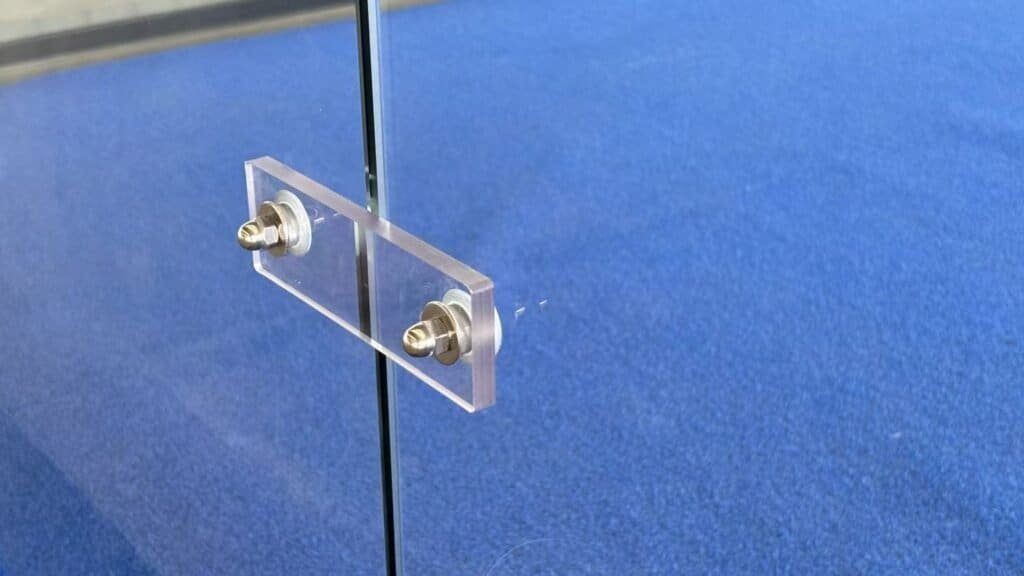
Therefore, flawless manufacturing is essential. High-end manufacturers use state-of-the-art CNC (Computer Numerical Control) machines to cut, polish the edges, and drill countersunk holes with millimeter-perfect tolerance before the glass enters the tempering furnace.
How is the glass connected? The panels are anchored to the steel court structure using heavy-duty stainless steel fasteners. To prevent the glass from grinding directly against the hard metal (which would cause stress fractures), specialized neoprene or rubber gaskets are placed between the glass and the steel brackets, absorbing shock and vibration during gameplay.
5. Outdoor Threats: Wind Loads, Thermal Stress, and Roof Solutions
For outdoor courts, the glass faces invisible enemies: Thermal stress (rapid temperature changes between hot sun and cold rain) and extreme Wind Loads. A large, flat 2x3m glass panel acts like a sail, catching massive wind pressure.
While 12mm glass helps withstand these forces, the ultimate protective solution is to shelter the entire court. By installing a prefabricated padel court roof system, you shield the glass panels from direct thermal shock and significantly alter the wind flow around the court. A canopy structure not only protects the glass but guarantees your courts remain operational in any weather condition.
6. Export Packaging and International Logistics
For international buyers, the biggest fear is receiving shattered glass after a long sea voyage. How does a manufacturer guarantee safe delivery?
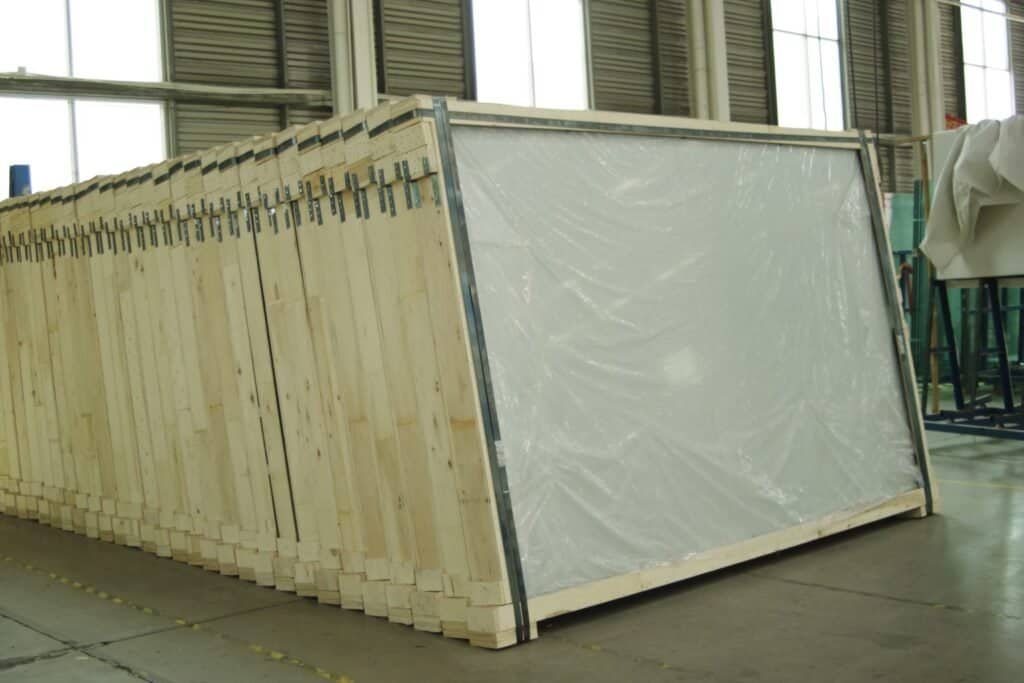
Professional export packaging is non-negotiable. When dispatching bulk orders directly from major shipping hubs like Tianjin Port, the glass panels are secured onto custom-built A-frame steel racks or enclosed in heavy-duty, fumigation-free wooden crates. Sheets of protective foam, cork pads, and strapping are placed between every single panel to prevent friction and absorb the harsh vibrations of ocean freight, ensuring a 0% damage rate upon arrival.
7. Keeping Your Glass Perfect: Long-Term Maintenance
Once your pristine tempered glass is safely installed, protecting that investment requires a strict maintenance routine. Sweat, dirt, and hard water spots can quickly ruin the bounce of the ball and the look of your club.
Make sure your facility management team is using the right tools and avoiding harsh chemicals that can destroy your artificial turf. For a complete step-by-step breakdown on maintaining your investment, check out our comprehensive guide on how to clean padel court glass safely and efficiently.